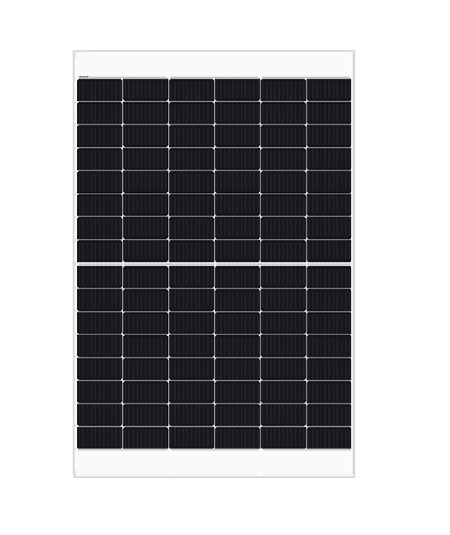
The rise of agri PV module technology has encouraged many project planners to rethink how farmland can serve multiple functions. By placing solar structures above crops, projects can generate electricity while allowing agricultural production to continue. This dual-use approach supports resource efficiency, especially in regions where land availability is limited or expensive. Systems using this concept rely on modules that balance power output and light conditions, ensuring plants receive the spectrum and intensity required for healthy growth. Although DMEGC Solar is not the only company participating in such solutions, they contribute to the field through products adapted for combined energy and farming environments. Their designs support stable integration without disrupting existing land management practices.
Crop Protection and Environmental Stability
In many climates, farmers must manage risks such as excessive sunlight, wind, hail, or irregular rainfall. When a project incorporates an agri PV module, the elevated structure helps moderate these environmental factors. By partially filtering sunlight and providing structural cover, it can support crop resilience and enhance long-term productivity. The design concept works especially well for crops sensitive to heat or light fluctuations. DMEGC Solar offers a series called Agri&Greenhouse, which includes Y-framed, EC-framed, and transparent module options tailored to greenhouse roofs, carports, and public-use structures. These modules combine power generation with light transmittance, aligning with the needs of agricultural operators who must maintain proper crop growth conditions.
Energy Generation with Architectural Adaptability
Energy production remains a major motivation behind adopting an agri PV module, but modern projects increasingly require more than standard solar panels. When modules are installed above crops or integrated into greenhouse structures, weight distribution, transparency, and structural adaptability all become crucial design elements. The Agri&Greenhouse series reflects this broader demand by offering configurations that match varied architectural layouts. Through these adaptable designs, they help operators maximize land utilization and maintain long-term project value without compromising agricultural use. This approach supports rural electrification, on-site power consumption, and improved project economics.
Conclusion: Integrating Farming and Solar Development
The use of agri PV module systems demonstrates how agriculture and renewable energy can coexist on the same land. These solutions support efficient land use, improved crop protection, and reliable power generation. With offerings such as the Agri&Greenhouse series, they contribute to structures that combine electricity production with functional transparency and adaptable framing. Such designs help project developers achieve both agricultural continuity and energy goals, making integrated agri-PV development a practical option for long-term planning.

