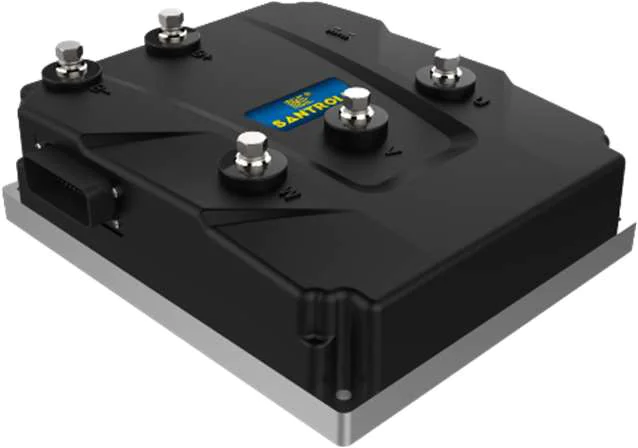
A common question in system design involves the necessity of a dedicated motor controller for each individual motor. The answer depends on the application’s performance requirements, specifically regarding independent operation and control granularity. While a single motor controller can sometimes manage multiple motors under specific conditions, most industrial applications benefit from a dedicated controller for each motor. Santroll analyzes these operational parameters when configuring its AC motor controller systems for complex machinery.
Independent Operation and Control Fidelity
The primary reason for employing a separate motor controller for each motor is the need for independent operation. When motors must run at different speeds, start or stop at distinct times, or produce varying torque outputs, individual control is mandatory. A dedicated AC motor controller provides precise command over a single motor’s parameters, ensuring that performance adjustments for one machine section do not disrupt others.
Multi-Axis Controller Capabilities
Some advanced motor controller units are designed with multiple output channels. These can control several motors performing synchronized, repetitive motions, such as in conveyor systems or coordinated gantries. However, this approach trades individual flexibility for synchronization. The motor controller in these scenarios acts as a central command unit, but may lack the fine-grained independent control of separate units.
System Reliability and Fault Management
Using a dedicated motor controller for each motor can enhance overall system reliability. If one controller fails, only its associated motor is affected, allowing other system sections to remain operational. This isolation simplifies troubleshooting and maintenance. Santroll‘s approach to system design often incorporates this philosophy, using robust AC motor controller units to create modular, fault-tolerant drive systems.
The decision to use individual motor controllers hinges on the required level of operational independence and system resilience. Applications demanding unique speed, position, or torque control for each motor typically necessitate a one-to-one controller relationship. For tightly synchronized multi-motor applications, a specialized multi-axis motor controller may be sufficient. The specific demands of the application ultimately dictate the most effective control architecture.

