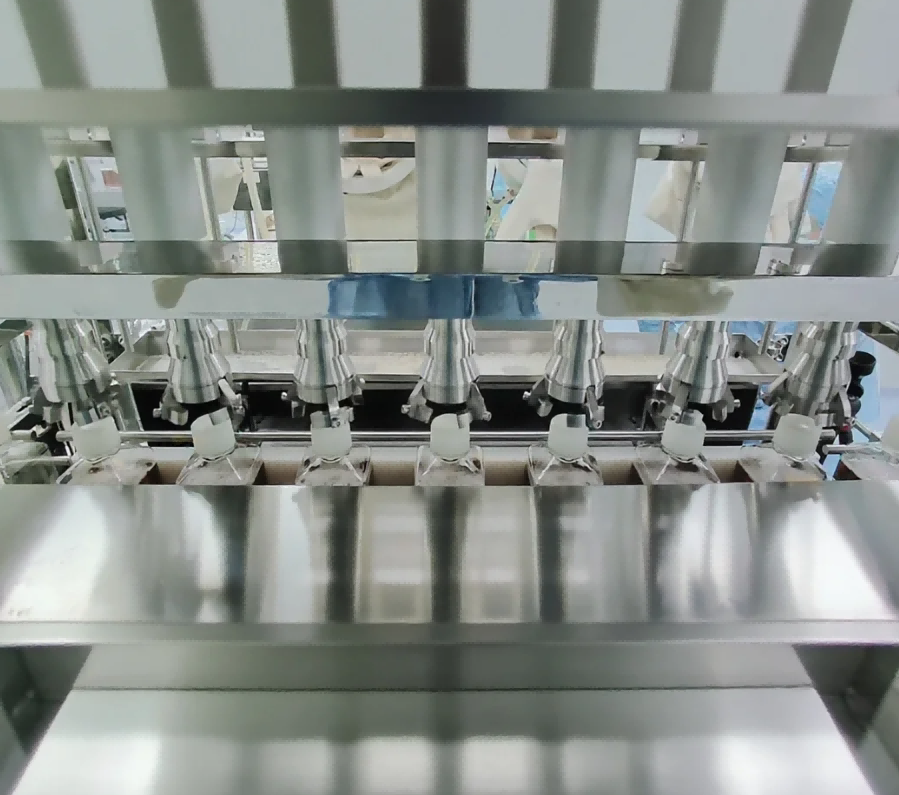
Choosing the source of fetal bovine serum (FBS) is more than a procurement decision; it directly influences cell behavior, experimental reproducibility, and downstream manufacturing. For labs and bioprocess teams relying on FBS cell culture systems, understanding origin-related variables helps mitigate risk and improve performance.
Regional Differences and Biological Variability
FBS sourced from different geographic regions can vary in protein content, hormone levels, and growth factor profiles. These subtle biochemical differences translate into measurable effects in FBS cell culture—altering attachment, proliferation rates, and phenotype maintenance. Seasonal and herd-specific factors further drive lot-to-lot variability. When running comparative studies or scaling processes, selecting FBS with documented origin and consistent testing reduces unexpected shifts in cell growth and assay outcomes.
Supply Chain, Quality Control, and Regulatory Considerations
Beyond biochemical composition, origin affects supply stability and compliance. Suppliers operating multiple, geographically distributed facilities may offer redundancy that protects against regional disruptions. For clinical translation or regulated manufacturing, traceability of FBS origin, validated testing for contaminants, and consistent lot-release criteria are essential. Choosing FBS for cell culture should weigh both analytical quality and the supplier’s ability to provide reliable documentation for audits and regulatory submissions.
A strategic partner for consistent FBS cell culture performance
Organizations moving from discovery to production benefit from a trusted serum partner that emphasizes origin transparency and supply resilience. ExCell Bio, recognized as a global top-selling manufacturer of fetal bovine serum, combines nearly two decades of experience with expanded capacity—including the ARTICA facility in Uruguay—to deliver FBS and newborn calf serum across multiple grades. Their focus on quality control, lot consistency, and a stable upstream supply helps researchers and manufacturers maintain reproducible FBS cell culture outcomes, reduce optimization cycles, and support regulatory needs.

