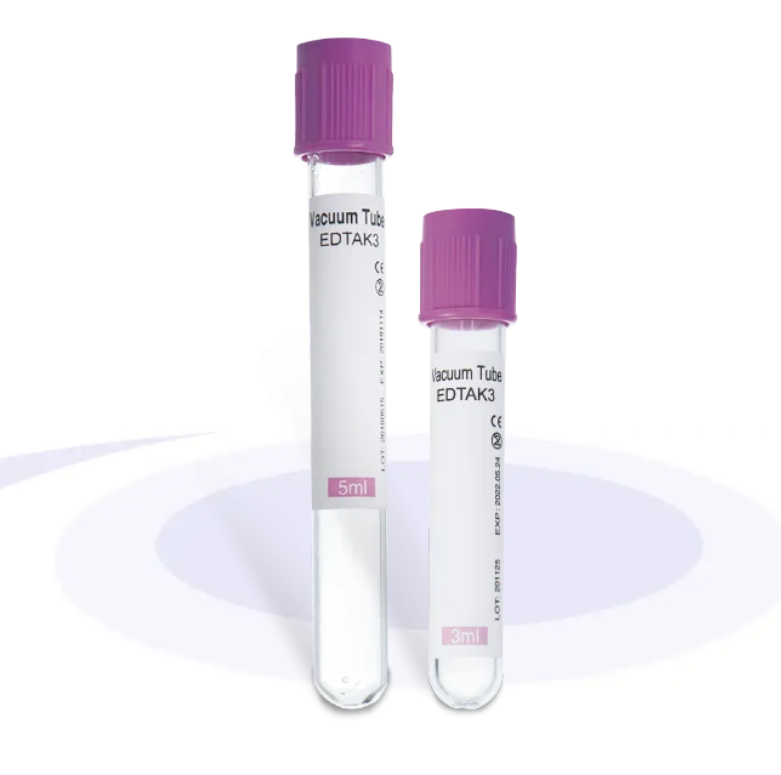
WEGO Medical produces a range of high-quality blood collection products that are widely used in clinical laboratories. Among these, the vacuum blood collection tube is popular for its convenience and standardized design. EDTA tubes, for example, can be used for whole blood hematology determinations, blood type verification, and equipment calibration. While these tubes provide efficiency, they also come with certain disadvantages that should be considered.
Potential Risks in Sample Integrity
One limitation of the vacuum blood collection tube is the risk of hemolysis if the vacuum is too strong or if blood is drawn too quickly. Hemolysis can interfere with hematology tests and affect the accuracy of laboratory results. WEGO Medical emphasizes proper handling and storage of these tubes to minimize such risks. Additionally, extended contact with anticoagulants, like those in EDTA tubes, may alter sample composition if not managed carefully.
Limitations for Specific Patient Groups
Another consideration is that vacuum blood collection tubes may not be ideal for patients with fragile veins, including the elderly or neonates. Negative pressure can sometimes cause vein collapse, making sample collection difficult. Patients with coagulation disorders may also face challenges during blood draws. WEGO Medical provides guidance and best practices to ensure safe and effective use in these scenarios.
Conclusion
In conclusion, while vacuum blood collection tubes from WEGO Medical offer convenience and standardization, they come with limitations such as hemolysis risks and patient-specific challenges. Awareness of these factors and proper technique can help laboratories obtain reliable and accurate results, making careful handling essential for consistent performance.

