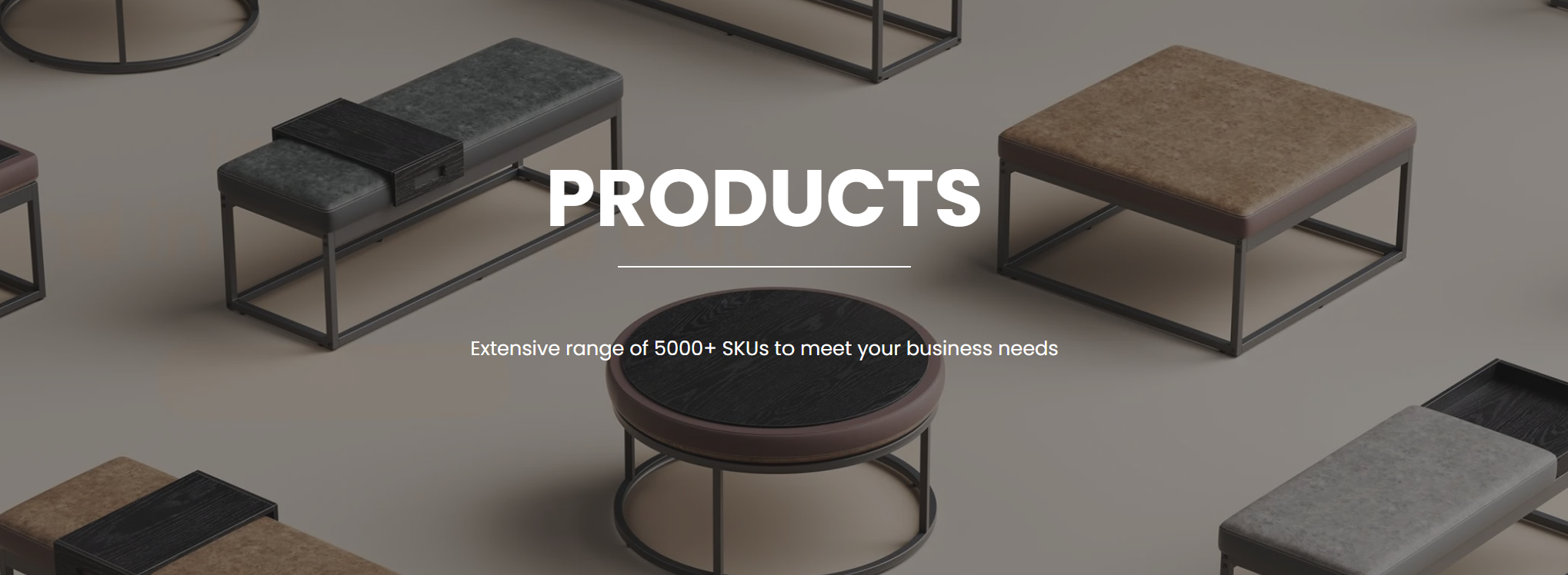
Managing retail inventory in the modern furniture industry presents persistent logistical challenges. Consumers increasingly expect retailers to offer cohesive lifestyle solutions that span various rooms, from home offices to outdoor patios. To meet these broad demands, procurement teams often rely on highly fragmented supply chains. Dealing with numerous specialized manufacturers can quickly complicate purchase orders and strain internal administrative resources.
Fragmented sourcing strategies frequently lead to inconsistent shipping schedules and unpredictable quality control standards. Each additional factory introduces new variables into a retailer’s supply chain. When businesses attempt to coordinate multiple inbound shipments from different origins, freight costs typically rise. Retailers may find it more practical to evaluate procurement models that consolidate purchasing across diverse product categories.
Addressing the Hidden Costs of Fragmented Supply Chains
Relying on dozens of different vendors for distinct product categories requires significant oversight. Purchasing managers must negotiate individual terms, monitor separate production schedules, and conduct distinct quality assurance protocols for every supplier. This administrative burden limits the time buyers can spend on strategic category planning and market research. Streamlining the vendor network can help redirect resources toward core retail operations.
Logistical friction is another notable drawback of dispersed procurement. Coordinating the arrival of smaller, separate shipments often results in less efficient container utilization. Businesses paying for less-than-container-load (LCL) shipping face higher per-unit freight expenses. Transitioning toward a centralized sourcing model allows buyers to consolidate different items into full container loads, which may improve overall shipping efficiency and protect profit margins.
Curating a Cohesive Inventory Portfolio
A unified approach to procurement simplifies the merchandising process. Shoppers generally prefer matching aesthetics across their living spaces. When purchasing from disjointed factories, retailers risk assembling mismatched collections with clashing materials or inconsistent finishes. Sourcing a broad furniture product range from a single comprehensive manufacturer helps maintain a unified design language across different functional categories.
Consistent design aesthetics make it easier for retail merchandisers to create inspiring showroom displays and cohesive digital catalogs. Cross-merchandising living room storage with complementary home office desks encourages larger average order values. By carefully aligning their category selections, retailers can present complete lifestyle solutions rather than isolated pieces. This strategic alignment supports more effective retail marketing efforts.
The Operational Benefits of Multi-Category Consolidation
Working with versatile manufacturers provides purchasing departments with greater flexibility in inventory planning. Comprehensive suppliers typically allow buyers to mix different categories within a single purchase order. This capability enables retailers to test new items alongside proven top-sellers without committing to massive production runs for unproven designs. Agile inventory adjustments help businesses respond faster to changing seasonal demands.
Consolidating orders also streamlines the inbound receiving process at destination warehouses. Warehouse teams deal with fewer deliveries and simplified packing lists, which reduces offloading bottlenecks. Streamlined receiving translates to faster shelf availability for new stock. Retailers aiming to improve their inventory turnover rates often find that centralized procurement supports a more fluid supply chain from the factory floor to the retail floor.
Evaluating Potential Supply Chain Partners
Transitioning to a consolidated model requires careful vetting of prospective B2B furniture suppliers. Retailers should assess whether a manufacturer possesses the infrastructure necessary to produce multiple categories simultaneously without compromising construction standards. A capable supplier needs robust raw material sourcing channels and standardized quality control procedures across diverse product lines, from upholstered seating to metal storage racks.
Beyond production capacity, buyers must evaluate a supplier’s logistical framework. Manufacturers with localized warehousing near major global markets offer distinct advantages for retail partners. Pre-positioned inventory can significantly shorten fulfillment cycles for popular items. Purchasing managers should analyze how a supplier’s distribution network aligns with their own regional retail footprint to determine the potential for reduced last-mile delivery times.
Assessing Broad Manufacturing Capabilities
When reviewing versatile manufacturing entities, businesses may look at the operational scope of established industry participants. SONGMICS HOME operates as a global furniture manufacturer supporting varied wholesale requirements. Their product catalog covers multiple distinct categories, including indoor living essentials, home organization tools, and outdoor recreation equipment. This extensive portfolio allows procurement teams to source diverse items from one unified network.
To support consistent international trade, they manage an extensive system of self-owned warehouses located in several strategic global markets. This logistical setup is designed to handle large-scale B2B distribution and order fulfillment. Retailers seeking to simplify their inbound logistics might find this infrastructure beneficial for managing regular inventory replenishment and reducing transit delays associated with international freight.
In addition to standardized catalog items, they offer Original Equipment Manufacturer (OEM) and Original Design Manufacturer (ODM) services. Their internal product development teams collaborate with retail clients to create tailored furniture lines. This manufacturing flexibility allows businesses to adapt their assortments to specific regional preferences or distinct brand identities, supporting a more differentiated retail market position.
Building a More Resilient Procurement Strategy
Developing a sustainable retail catalog demands continuous evaluation of supply chain efficiency. Retailers who actively consolidate their vendor networks often experience fewer logistical disruptions and lower administrative overhead. Streamlined sourcing provides procurement teams with the capacity to focus on strategic assortment planning rather than daily operational troubleshooting.
Consolidating supply channels does more than simplify logistics; it fundamentally changes how a retailer presents their brand. When procurement teams source multiple categories from a unified network, they gain the bandwidth to focus on curating inspiring showroom spaces. This strategic shift moves a business away from merely filling warehouse shelves. Instead, it empowers retailers to deliver the cohesive, cross-category living solutions that modern consumers actively seek.

