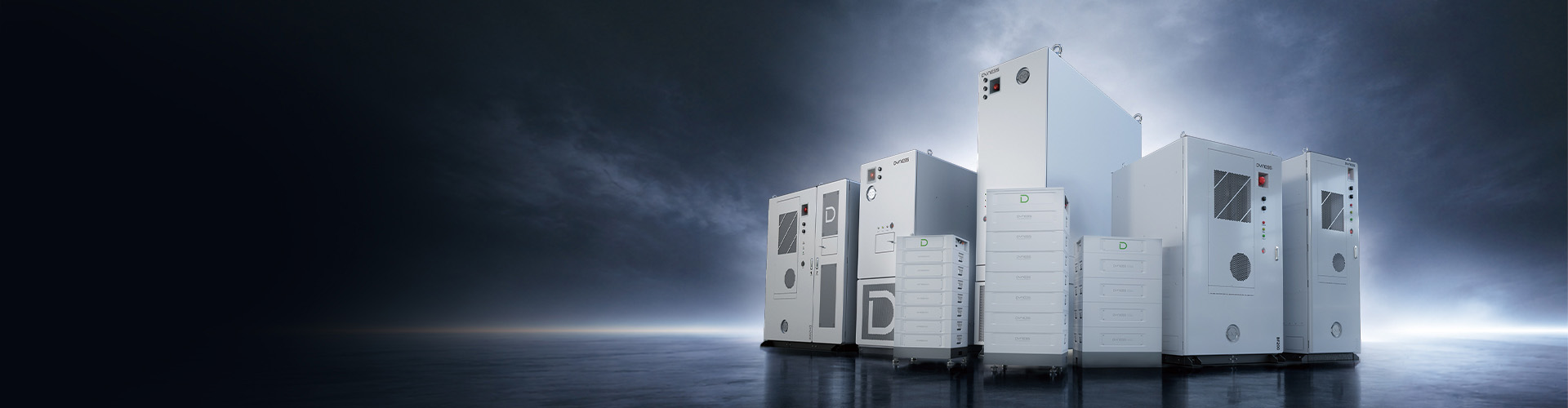
Modern households require highly sophisticated electrical infrastructure to successfully navigate unpredictable utility distribution failures and rising electricity tariffs. Incorporating advanced Battery Energy Storage Systems (BESS) allows residential properties to capture renewable generation, manage fluctuating loads, and secure baseline electricity continuity seamlessly.
Transitioning toward decentralized local microgrids demands a thorough technical evaluation of chemical composition stability, power conversion mechanics, and thermal management safety layers. Homeowners seek resilient hardware platforms that function quietly in the background while providing dependable energy security around the clock.
The Evolution of Residential Decentralized Power Architecture
Traditional residential solar configurations historically functioned without integrated backup storage components, relying completely on macro-grid utility lines to absorb excess daytime generation. This older structural model forces properties to sell clean energy during low-tariff hours and buy it back expensively at night. The absence of local power reserves leaves a building vulnerable to unexpected regional grid blackouts and brownouts.
Modern localized power networks resolve these generation imbalances by introducing advanced stationary chemical storage blocks to serve as stable energy buffers. Properties use these installations to decouple themselves from volatile energy markets and secure a self-sustaining power framework. The contemporary housing sector increasingly values setups that prioritize long-term asset reliability and independent operation.
Understanding the Physics of Integrated System Packaging
Standard component-based installations require technical teams to source, mount, and wire separate batteries, battery management units, and power conversion devices manually on-site. This fragmented layout takes up valuable floor space and increases the likelihood of human error during complex wiring phases. It also complicates the overall trouble-shooting process if technical system faults emerge later.
Choosing modern all-in-one energy storage solutions reduces these installation bottlenecks by combining key electrical components into a single pre-engineered cabinet. This integrated layout significantly shortens commissioning times for regional field technicians and lowers initial installation labor costs. Streamlining the hardware configuration delivers a neat, compact profile that fits easily into restrictive residential spaces.
Comparing Low Voltage and High Voltage Structural Frameworks
Selecting appropriate electrical voltage configurations influences overall energy transmission efficiency, safety metrics, and systemic balance-of-plant component expenses. Low-voltage architectures remain popular due to their simplified handling profiles and lower regulatory installation compliance barriers for field technicians. These setups offer a practical, highly flexible baseline for standard residential properties requiring moderate backup capacities.
Conversely, high-voltage systems reduce current metrics during large-scale power transfers, which minimizes thermal conversion losses over continuous operational periods. The product development team at Dyness addresses these distinct engineering demands by manufacturing options that cater to both low and high-voltage lithium battery storage needs. This extensive versatility helps global distribution networks select the exact electrical boundaries required for their specific regional grids.
Chemical Safety Milestones in Close Proximity Placements
Dense lithium battery installations placed near active residential living zones require the highest available manufacturing safety standards and stable chemical compositions. Lithium iron phosphate has established itself as the widely recognized industry benchmark for stationary applications due to its resilient crystalline structure. Strong covalent molecular bonds prevent oxygen release and guard against thermal runaway risks under intense electrical loads.
Relying on high-quality LiFePO4 battery storage products enables localized microgrids to operate safely through years of intensive bidirectional charging cycles. This inherent material stability protects property infrastructure and nearby household structures long after initial deployment. Choosing secure base materials reduces significant physical liabilities and enhances consumer trust across international markets.
Comprehensive Functional Benefits of Streamlined Deployments
The primary benefit of a unified enclosure setup is that it eliminates the need for compatibility testing between separate internal safety parts. Pre-assembled systems undergo strict factory testing to verify that internal control circuitry communicates accurately with localized circuit breakers. Delivering tailored physical platforms helps final deployments reliably meet local grid safety requirements.
Using these specialized setups helps homeowners save money, handle power outages, and keep appliances running 24/7 for complete worry-free electricity use. The optimized integration reduces systemic capacity drops and manages real-time power distribution smoothly without requiring manual adjustments. Secure, automated local reserves bring long-term operational convenience and peace of mind to users.
Cross–Brand Inverter Synchronization and Communication Protocols
Stationary battery arrays cannot function effectively without continuous, high-speed data transmission lines connecting them directly to power conversion equipment. Mismatched communication protocols between a main battery management unit and third-party solar inverters trigger tracking faults and reduce round-trip efficiency. Open cross-platform flexibility remains a critical requirement for successful global deployments.
The integrated hardware lines developed by Dyness are engineered to maintain wide compatibility with major global inverter brands out of the box. This fluid interoperability removes complex software programming barriers for field technicians during final installation phases. Broad hardware synchronization enables the generation, storage, and conversion layers to function together as a unified system.
Capacity Retention Trends and Lifecycle Longevity Analysis
True energy asset value is calculated based on long-term throughput capacity retention across thousands of operational cycles rather than just initial procurement costs. Lower-grade storage cells break down rapidly under deep discharge behaviors, forcing expensive early equipment replacements for property owners. High-quality construction utilizes strictly verified battery life profiles to support long-term operational stability.
Premium stationary products focus on delivering sustained high performance backed by extensive long-term manufacturing quality guarantees. This degree of structural durability minimizes ongoing servicing costs for regional distributors and electrical contracting networks worldwide. Reliable cell construction secures the long-term viability of the localized clean energy investment.
Environmental Durability Parameters for All Weather Operations
Outdoor utility zones and unconditioned mechanical rooms subject heavy energy storage cabinets to severe dust ingress, high humidity, and changing seasons. Delicate internal electronic control components require robust external defense casings to reduce moisture ingress and internal short circuits. Efficient thermal regulation keeps internal cell temperatures balanced within safe limits.
Advanced hardware platforms incorporate industrial-grade protective enclosures that safeguard delicate circuitry from premature degradation under harsh weather conditions. Maintaining a balanced internal climate reduces localized hot spots within the cell matrix, ensuring predictable material behavior. Reliable physical sealing supports continuous power delivery across diverse geographic climate zones.
Conclusion
Deciding on all-in-one energy storage solutions depends on evaluating physical space parameters, required voltage configurations, and automated system safety protocols. Utilizing optimized lithium iron phosphate architectures paired with broad cross-brand inverter compatibility enables residential properties to enjoy uninterrupted power 24/7. Trusted globally by over 500,000 users, Dyness provides the reliable, low-maintenance, and climate-resilient hardware configurations needed to secure complete household energy independence.

