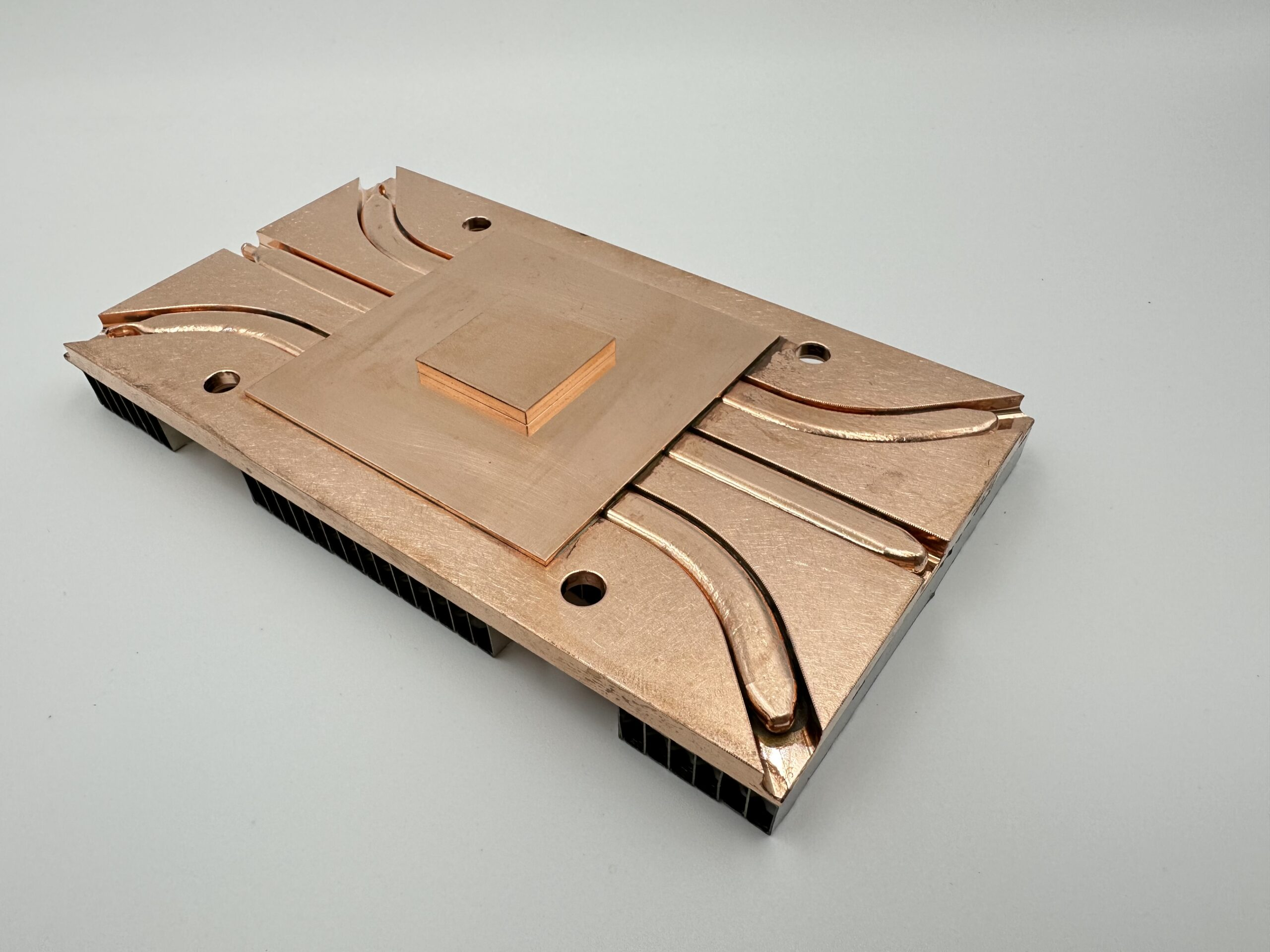
Selecting the right skived heatsink for power electronics begins with understanding how thermal loads behave in devices operating under continuous, high-density conditions. Systems such as power converters, industrial controllers, or compact energy modules generate concentrated heat, and an efficient path for thermal dissipation becomes essential to maintain long-term stability. When companies evaluate solutions, they often look for designs that balance performance, structural reliability, and size constraints. This is where manufacturers like Dingmetal come into focus, as they apply the skiving process to create highly efficient fins capable of addressing these demands.
Engineers in thermal management or mechanical design typically examine fin structure, surface area, and overall assembly requirements before making a choice. Because skived heat sinks can be produced as a single piece without bonding lines, they offer consistent performance that suits demanding environments found in industrial and power-related applications.
Evaluating Material, Fin Geometry, and Packaging Compatibility
When determining whether a skived heatsink meets the needs of a specific power electronics system, material selection is one of the first considerations. Copper and aluminum remain common, but the choice depends on conductivity targets, weight limits, and cost-performance balance. They frequently analyze fin geometry and airflow characteristics as well. The skiving process allows ultra-thin fins—sometimes as thin as 0.2 mm—to be manufactured without sacrificing durability, providing a much larger effective surface area compared to traditional extrusion.
For teams working with compact layouts, the ability to integrate these skived heat sinks into restricted spaces is also critical. Since the skived structure generates higher fin density, it successfully supports forced-air and natural-air cooling systems alike, making it practical for real-world power electronics packaging. Companies such as Dingmetal often highlight that their designs help maintain predictable thermal performance while keeping overall dimensions manageable for engineers.
Considering Performance Advantages and Application Demands
Understanding the advantages of skived heat sinks helps procurement teams and R&D engineers make better long-term decisions. One of the notable advantages of skived heatsinks is the ultra-thin fin capability, which enables strong heat transfer efficiency in power modules exposed to heavy thermal cycles. These fins maintain structural integrity because the skived process forms them from a single block rather than attaching individual elements.
For designers who frequently work with power semiconductors, DC-DC converters, or high-current modules, a skived heatsink provides stable performance, even when airflow is limited. The compact form factor of these skived heat sinks makes them suitable for dense racks, enclosed industrial systems, or portable high-output devices. Manufacturers like Dingmetal apply controlled processing and quality assurance practices to support engineers who require dependable thermal components without unexpected variation.
Conclusion: Choosing a Practical Skived Heatsink for Reliable Power Electronics
Selecting the right skived heatsink for power electronics combines understanding heat behavior, evaluating fin structure, and matching the design to the application environment. Teams often compare the thermal performance, structural consistency, and integration compatibility that skived heat sinks offer before moving forward with a sourcing decision. With their ability to create ultra-thin fins down to 0.2 mm and maintain durability in compact assemblies, this technology provides a practical and efficient cooling option for high-heat applications. Manufacturers such as Dingmetal support these needs by offering dependable production, research capability, and responsive service, allowing engineers and procurement specialists to implement solutions that maintain equipment stability across demanding operating conditions.

