For importers, wholesalers and private-label brands, refrigerator category names are a starting point for building a product range. A name such as Combi-No-Frost identifies both a format and a cooling or defrost classification. Reading those elements separately helps buyers organize a shortlist, but the commercial value comes from connecting the category with the models, specifications and supply arrangements required for the target market.
A China refrigerator sourcing discussion can use this distinction to make inquiries more precise. Buyers can first identify the format they need, then compare the relevant cooling classifications and model information. This creates a clearer path from browsing a manufacturer’s catalogue to requesting proposals for an actual wholesale or ODM project.
Reading the Format Part
Homa Appliances’ product range includes combi, top-mount and upright refrigerators. These provide different starting points for assortment planning, rather than interchangeable labels for one product. A buyer can use the categories to structure a range review and identify which product families deserve closer examination for the intended market and sales channel.
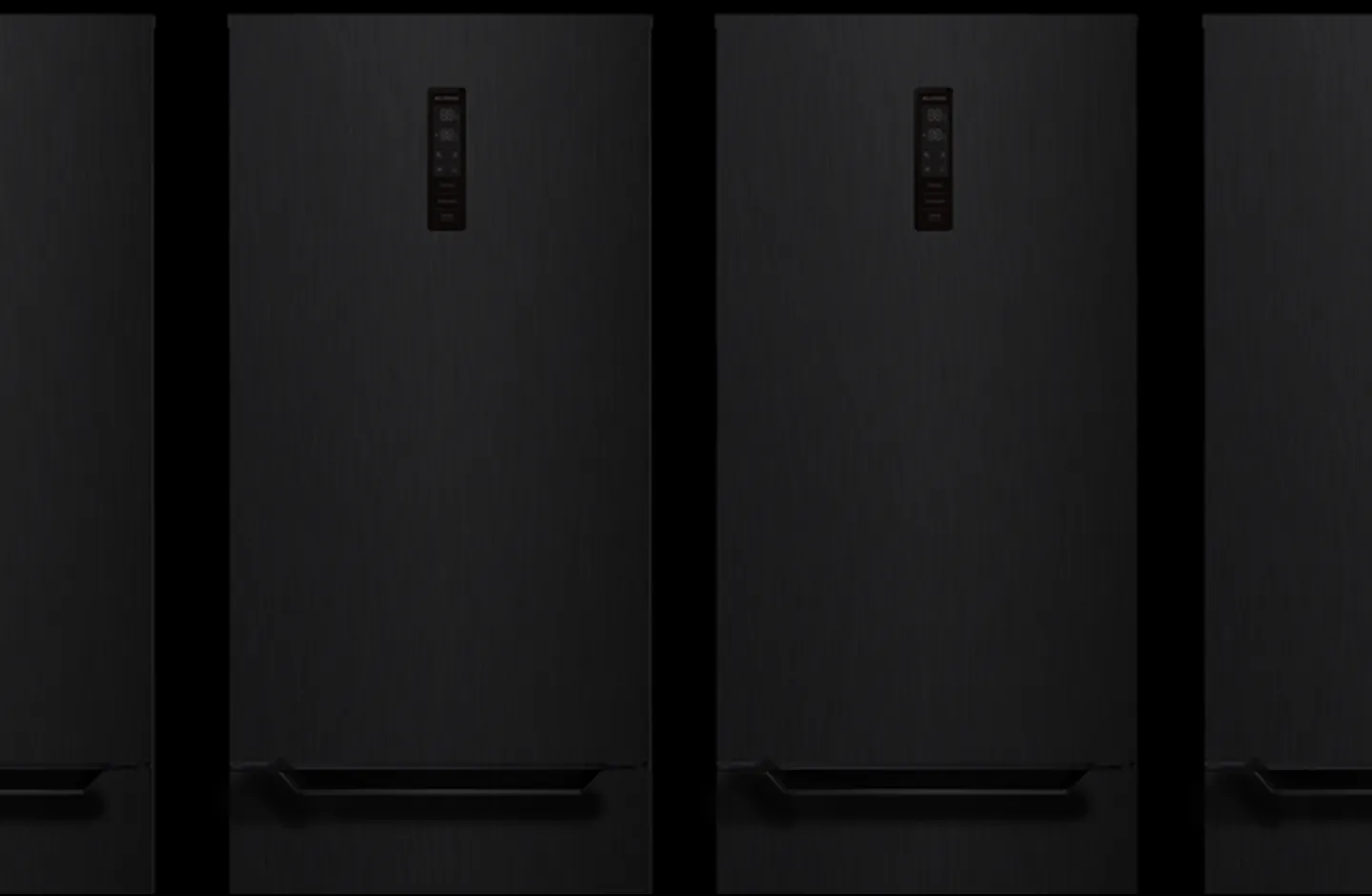
Homa Appliances’ combi no-frost range places fresh-food storage above the freezer. This gives the buyer a concrete format reference before reviewing individual models. Buyers can compare cabinet widths, capacities and energy classes when narrowing the range to options that suit their requirements.
Within a China refrigerator sourcing brief, the format choice should therefore be connected to a product role. A buyer might be filling a gap in an existing assortment or developing a coordinated private-label range. Stating that purpose helps establish what needs to be compared and prevents a category review from becoming a list of unrelated product names.
Upright categories deserve particular attention because Homa Appliances’ upright no-frost range includes refrigerator, freezer and convertible options. Buyers should identify the intended function as well as the upright format when requesting model information. That makes the inquiry more precise and helps avoid treating every upright product as if it serves the same storage purpose.
Once the format and function are clear, the buyer can request the relevant model specifications. Dimensions, net capacities, internal arrangements and other market requirements belong at this stage. The category helps organize the search; the selected model’s documentation allows the team to judge the product itself.
Keeping the Cooling Label Separate
Homa Appliances offers product categories with labels including No-Frost, Frost-Free and Defrost. These describe a different aspect of the product from format terms such as combi or upright. Keeping the two parts separate allows buyers to compare products on a consistent basis instead of treating all words in a category name as competing alternatives.
For example, upright describes a format, while no-frost identifies a cooling or defrost classification. A product can be described by both. A buyer looking for an upright model should therefore continue by identifying the required product function and checking the documented cooling system for the shortlisted options. The questions build on one another rather than replace one another.
A China refrigerator comparison should record the actual terminology used for each model, supported by its technical information. Shared category wording does not make capacity, energy performance or other specifications interchangeable. Keeping those fields separate makes it easier to see which differences matter to the intended product tier and which require further clarification.
This is also useful when preparing customer-facing materials. The approved model description should connect its format and cooling classification with its actual specifications. Product names, manuals and sales information can then be reviewed against the same source information, reducing the risk of transferring a claim from one model to another simply because the products appear in the same family.
Comparisons Along One Axis
A practical shortlist can hold the format constant while comparing models with different documented characteristics. Alternatively, the buyer can start with a required cooling classification and review the available formats. Both approaches work when they use real catalogue entries and model data, rather than hypothetical combinations that may not be offered.
For a China refrigerator wholesale inquiry, the shortlist should be accompanied by commercial requirements. These can include the destination market, expected order quantities, proposed purchasing schedule and the buyer’s branding or packaging needs. Separating these inputs from the product specifications helps the supplier respond clearly on both the appliance and the proposed supply arrangement.
Homa Appliances combines more than 20 years of refrigerator manufacturing experience with large-scale production, ODM services, supply management and export experience. These capabilities matter to buyers developing private-label ranges or planning repeat orders because the project involves more than choosing a category name. It also involves agreeing how the selected products will be specified, presented and supplied.
Before approval, check that capacity figures use the same basis and that dimensions refer to the cabinet rather than its shipping carton. Keep each model number attached to its supporting documents. These checks help purchasing and sales teams avoid comparing unlike figures or describing the wrong product.
Understanding format and cooling terminology is therefore useful when it leads to better sourcing decisions. By moving from category names to real model information and a defined order brief, buyers can assess Homa Appliances’ range in relation to their own market and product plans. The outcome is a more focused basis for discussing wholesale supply or ODM development.

