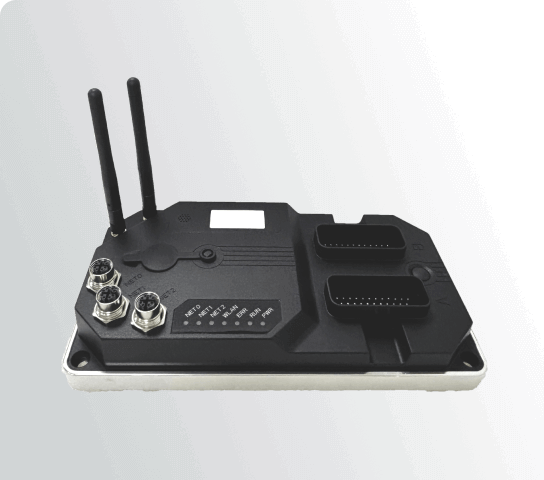
Smart equipment is no longer limited to executing predefined mechanical operations. Modern machines are expected to collect data, analyze operating conditions, communicate with factory systems, and support intelligent decision-making at the equipment level.
An Industrial Embedded Computer has become a critical foundation for this transformation because it provides the processing capability needed to connect physical devices with digital intelligence.
Manufacturers increasingly require computing platforms that can operate reliably inside machines while handling workloads such as machine vision, edge analytics, industrial communication, and equipment monitoring. An industrial embedded pc provides a compact architecture that enables these functions without relying entirely on centralized servers or cloud services.
Smart Machines Are Changing the Role of Computing Hardware
Traditional industrial systems often separate control functions from data processing. In many traditional architectures, controllers handle deterministic operations while separate computers may handle visualization, analysis, or communication. However, the growth of smart manufacturing has increased the need for integrated computing closer to the machine.
A factory inspection system, for example, may need to capture images, analyze defects, and respond immediately during production. Waiting for cloud-based processing can introduce delays and create dependency on network availability. Local computing allows equipment to make faster decisions while maintaining operational continuity.
Similar requirements appear in autonomous mobile robots, intelligent energy systems, transportation equipment, and automated logistics platforms. These systems need computing resources that can process large amounts of information while operating continuously in industrial environments.
Embedded Computing Creates a More Intelligent Equipment Architecture
Smart equipment increasingly depends on a computing layer that connects sensors, software applications, communication networks, and control systems. Embedded PCs provide this connection by combining processing capabilities with industrial interfaces in a compact form factor.
An Industrial Embedded Computer can support multiple tasks within a single equipment design. It may collect information from sensors, communicate through Ethernet or industrial protocols, run local applications, and support AI-based analysis at the edge.
By integrating computing power, connectivity, and expansion options into durable hardware, Vantron empowers industrial environments with advanced embedded platforms designed specifically for automation, smart terminals, and edge computing.
This architecture gives equipment developers more freedom when creating intelligent machines. Instead of adding separate computing devices for each function, manufacturers can build a unified platform that supports current requirements while allowing future software expansion.
Processor Ecosystems Expand Smart Equipment Design Options
The increasing adoption of embedded computing is also supported by a wider range of processor platforms. Different industrial applications require different combinations of performance, power efficiency, AI capability, and lifecycle stability.
Intel embedded processors are commonly considered for applications requiring strong computing performance and broad software compatibility. NXP i.MX8 and i.MX9 platforms are often selected for embedded designs where efficient processing and long-term availability are important factors.
Qualcomm QCS platforms provide options for connected edge devices that require integrated AI and multimedia capabilities. MediaTek Genio platforms support intelligent edge applications requiring efficient processing, while Rockchip solutions are used in various compact computing systems where integrated processing resources are valuable.
Vantron supports embedded hardware solutions based on different processor ecosystems, helping equipment manufacturers select suitable architectures according to their application requirements. Platform flexibility allows developers to design systems for different scenarios, from industrial gateways to AI-enabled machines.
OEMs Are Moving Toward Computing-Centered Equipment Development
Equipment manufacturers are increasingly treating computing capability as part of the core machine design rather than an additional accessory. This shift is driven by demand for smarter products that can be monitored, upgraded, and optimized throughout their operating lifecycle.
An industrial embedded pc enables OEMs to create equipment that supports software-based improvements after deployment. Manufacturers can update functions, add analytical features, or improve operational workflows without replacing the entire machine structure.
In manufacturing environments, embedded computing supports production monitoring and quality inspection. In robotics, it enables navigation, communication, and real-time processing. In transportation and infrastructure systems, it provides the computing foundation required for connected and automated operations.
Another important factor is design scalability. A common computing platform can support multiple equipment models with different software configurations. This reduces development complexity and helps manufacturers create product families more efficiently.
Edge Intelligence Is Defining the Next Generation of Equipment
The future of smart equipment depends on the ability to process information where it is generated. Edge computing reduces dependence on remote systems and allows machines to respond quickly to changing conditions.
Modern equipment requires more than basic automation. It needs computing systems capable of supporting artificial intelligence, data analysis, and secure communication. An Industrial Embedded Computer provides the hardware foundation for these capabilities by combining processing resources with industrial reliability.
Vantron focuses on embedded hardware platforms that support intelligent equipment development, including industrial computing systems and edge AI solutions designed for demanding applications.
The industrial embedded pc market reflects a broader transformation in industrial design. Machines are becoming connected, adaptive, and software-driven, requiring computing architectures that can evolve with changing operational needs.
There will always be a need for industrial embedded computers in the construction of dependable and intelligent machinery, especially as the use of smart equipment grows in many industrial sectors such as energy infrastructure, logistics networks, and factories. The change isn’t just about increasing processing power; it’s about making devices that can comprehend data, react quickly, and provide more value during its lifetime.

