A low quotation can look attractive on paper, yet the real cost of a distribution partnership emerges only after products arrive, customers begin riding, and service requests start coming in. Dealers must weigh inventory turnover, product consistency, spare-parts access, and communication with the factory before committing to a new supplier.
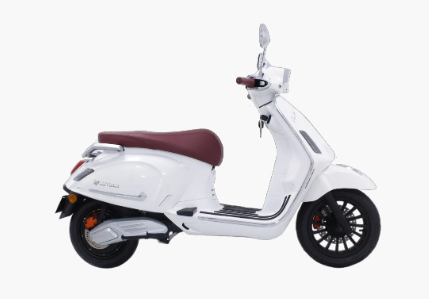
A LUYUAN electric scooter may be one option for businesses exploring the electric two-wheeler market, but a sound purchasing decision requires a broader assessment of the manufacturer, its operating processes, and its ability to support long-term commercial growth. Price matters; the value behind that price matters just as much.
Assess the Full Cost of Building a Product Range
The purchase price represents only one part of a vehicle’s total landed cost. Freight, insurance, customs duties, local compliance expenses, warehousing, and currency fluctuations can all change the final margin. Dealers should calculate these expenses before comparing quotations, particularly if competing suppliers use different shipping terms or offer different levels of included support. A detailed cost breakdown gives the business a more realistic basis for setting retail prices and estimating how much working capital the first shipment will require.
Inventory risk deserves equal attention. A wide catalogue may appear attractive, but ordering too many configurations can divide demand across products that sell at different speeds. New distributors can start by identifying their core customer groups, comparing local preferences, and estimating how quickly stock might turn over. An experienced Ebike company should be able to explain its available configurations and ordering conditions clearly, allowing prospective partners to assess whether a proposed range suits their market rather than simply accepting a large initial order.
Payment flexibility, minimum order quantities, and replenishment schedules also affect the commercial relationship. A low unit price may provide little advantage if the required order volume exceeds realistic demand or if repeat shipments take too long to arrive. Buyers should request written details on deposits, production timelines, order changes, and quotation validity. Comparing these conditions alongside the product cost reveals whether a partnership can support steady growth without placing excessive pressure on cash flow.
Examine Product Consistency and Technical Documentation
Product specifications should be more than figures copied into a sales catalogue. Motor output, battery chemistry, battery capacity, charging requirements, braking systems, and stated range all influence how a vehicle performs and which customers it can serve. Buyers should verify that the documentation corresponds to the exact configuration being quoted, since specifications can differ between versions of the same model. Range claims also need context, including test conditions and the factors that may affect results in everyday use.
Quality control is another area that deserves direct questions. Prospective dealers can ask how incoming components are checked, how finished vehicles are inspected, and how manufacturing defects are recorded and addressed. Sample evaluation may reveal details that a brochure cannot communicate, such as control layout, assembly finish, riding comfort, or ease of routine maintenance. For a LUYUAN electric scooter, as with any candidate vehicle, distributors should verify the specifications and configuration relevant to their intended market rather than assuming that every version shares the same equipment.
Compliance requirements can create additional costs if they are discovered after an order has been placed. Rules concerning vehicle classification, lighting, braking, battery transport, labeling, and road use vary across jurisdictions. Buyers should establish which certificates and technical documents are available for the exact products under consideration, then determine whether local testing or registration is still necessary. Clear documentation protects the commercial plan from unexpected delays and helps ensure that marketing materials accurately represent the vehicles being sold.
Measure the Value of After-Sales and Partnership Support
A distribution agreement should explain what happens after delivery, especially if a customer reports a battery issue, damaged component, or electrical fault. Warranty periods alone provide an incomplete picture. Dealers also need to understand claim procedures, exclusions, required evidence, replacement-part costs, and responsibility for shipping defective components. A predictable process makes service budgeting easier and helps customer-facing staff communicate realistic expectations.
Spare-parts availability can have a direct effect on customer satisfaction. Even a relatively minor fault may keep a vehicle out of use if the required component is difficult to obtain. Buyers should ask whether commonly needed parts are available for repeat orders, how part numbers are organized, and whether technicians can access repair instructions or diagnostic guidance. An Ebike company that offers clear technical communication and practical service resources can reduce the burden on a distributor’s local team, particularly during the early stages of market development.
Training and marketing resources are also worth evaluating, but their usefulness depends on how well they fit the dealer’s actual needs. Product photographs, accurate specification sheets, manuals, and staff training can support a consistent customer experience. Buyers should clarify which materials are included, whether localized content is permitted, and what approval process applies to custom branding. These details reveal how a supplier approaches cooperation beyond the transaction itself.
Conclusion
A successful brand partnership is built on a workable commercial model, reliable product information, and support that remains useful after the initial shipment. Buyers who assess total landed cost, inventory exposure, quality procedures, and service responsibilities can compare potential partners with greater confidence instead of allowing the lowest quotation to dictate the decision.
LUYUAN, an electric two-wheeler manufacturer founded in 1997, offers a reference point for distributors exploring cooperation in this sector. Whether a business evaluates a LUYUAN electric scooter or considers another supplier, the most meaningful measure is the relationship’s ability to support realistic margins, dependable customer service, and sustainable growth.

