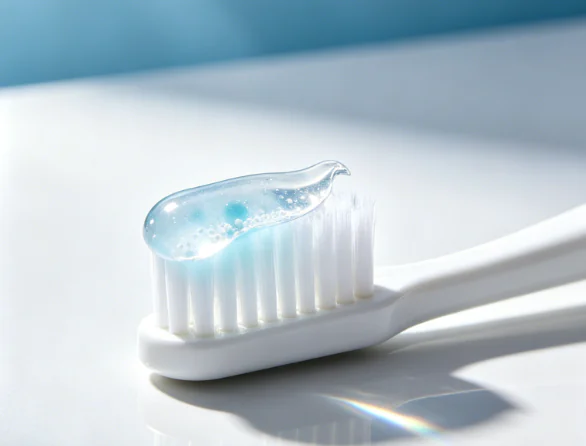
Choosing the right abrasive is an important decision in toothpaste formulation. Dental silica and calcium carbonate are two widely used ingredients that help remove plaque and surface stains, but they differ in their physical properties, formulation compatibility, and application potential. For toothpaste manufacturers, understanding these differences is essential to developing products that meet specific cleaning requirements, consumer expectations, and production standards.
So, which material is better? The answer depends on the intended toothpaste category, desired texture, fluoride system, and overall formulation goals. By comparing their key characteristics, manufacturers can make more informed raw material decisions.
What Is Dental Silica in Toothpaste?
Dental silica, particularly hydrated silica, is a form of silicon dioxide used in oral care formulations. Depending on its particle characteristics and structure, it can serve as an abrasive, thickening agent, or multifunctional ingredient.
Hydrated silica in toothpaste helps remove surface stains and deposits through controlled mechanical cleaning. Its physical properties can be adjusted during manufacturing, allowing formulators to select grades for different cleaning intensities, textures, and product appearances. It is also widely used in transparent gel toothpastes because suitable grades can support clarity and formulation stability.
Another important consideration is compatibility with other ingredients. Properly selected dental silica can work with fluoride and flavoring systems while helping maintain the desired consistency and brushing experience. These characteristics make it a versatile option for conventional toothpaste, whitening products, and specialized oral care formulations.
What Is Calcium Carbonate in Toothpaste?
Calcium carbonate is a mineral based ingredient commonly used as an abrasive in toothpaste. It helps clean tooth surfaces by mechanically removing plaque and external discoloration during brushing. Its availability and established use make it a practical option for many traditional toothpaste formulations.
Calcium carbonate can provide effective cleaning and contribute to the body of a toothpaste. However, its suitability depends on the intended product design and the compatibility of the complete ingredient system.
One important formulation consideration is fluoride selection. Calcium carbonate can interact with certain soluble fluoride compounds, potentially affecting the amount of fluoride available in the finished product. Manufacturers therefore need to evaluate the abrasive alongside the fluoride source and other ingredients to ensure the formulation meets its performance and stability requirements.
Dental Silica vs Calcium Carbonate: Key Differences
The main difference between dental silica and calcium carbonate is not simply cleaning power. Their formulation flexibility, physical characteristics, and compatibility with other ingredients also influence material selection.
- Cleaning Performance and Abrasivity
Both materials can remove surface stains and deposits, but their performance depends on particle size, shape, hardness, concentration, and the complete toothpaste formula.
Hydrated silica offers flexibility because manufacturers can select different grades to achieve specific cleaning and polishing objectives. Calcium carbonate also provides effective abrasive action, particularly in formulations designed around its established properties.
Importantly, neither ingredient is automatically gentler in every formulation. Relative dentin abrasivity and other relevant performance tests should be considered when evaluating the finished toothpaste.
- Fluoride Compatibility
Fluoride compatibility is a significant consideration when developing toothpaste for cavity protection. Certain calcium containing abrasives, including calcium carbonate, can interact with soluble fluoride sources and reduce fluoride availability under particular formulation conditions.
Dental silica is often selected for its compatibility with fluoride based systems, although performance should always be confirmed through formulation testing. This flexibility can simplify ingredient selection when manufacturers need to balance cleaning efficacy with fluoride delivery.
- Texture and Product Appearance
Toothpaste texture affects dispensing, brushing comfort, and consumer perception. Dental silica offers different functional grades for abrasive performance and thickening, helping formulators control viscosity, suspension, and consistency.
Calcium carbonate can also contribute to toothpaste body, but its suitability for a particular texture or appearance depends on the formulation. For transparent gels or products requiring precise rheological control, an appropriate hydrated silica grade may provide greater formulation flexibility.
- Formulation Versatility
Calcium carbonate remains a useful choice for products suited to its characteristics and ingredient system. Dental silica, however, offers versatility across different toothpaste formats, including daily cleaning, whitening, and selected specialized oral care products.
The better option is the one that meets the required cleaning profile, stability targets, processing conditions, and cost expectations without compromising the finished product’s performance.
How to Choose the Right Abrasive for Your Toothpaste
Before selecting a raw material, manufacturers should define the product’s intended market position and technical requirements. Consider the target abrasivity, fluoride source, desired viscosity, transparency, flavor compatibility, and manufacturing process.
Laboratory evaluation should include finished formula stability, cleaning performance, fluoride availability where relevant, and appropriate abrasivity testing. Pilot production can then help confirm whether the selected material performs consistently under actual processing conditions.
Working with a specialized silica supplier can also help narrow the selection process. Access to different grades and technical guidance allows formulators to evaluate materials against measurable product requirements rather than relying on ingredient names alone.
Explore Dental Silica Solutions from JSJ Silica
JSJ Silica‘s ORASIL® Oral Care series is designed to support toothpaste formulation through functional hydrated silica solutions. Depending on the selected grade, these materials can serve as abrasives, thickeners, or multifunctional additives, helping manufacturers address cleaning performance, texture, and formulation compatibility.
Selecting the right dental silica starts with understanding your formulation objectives. By matching material characteristics to product requirements and validating performance through testing, manufacturers can develop toothpaste products with consistent quality and reliable functionality.
Discover the ORASIL® Oral Care Toothpaste Solutions from JSJ Silica to explore suitable options for your next oral care formulation.

