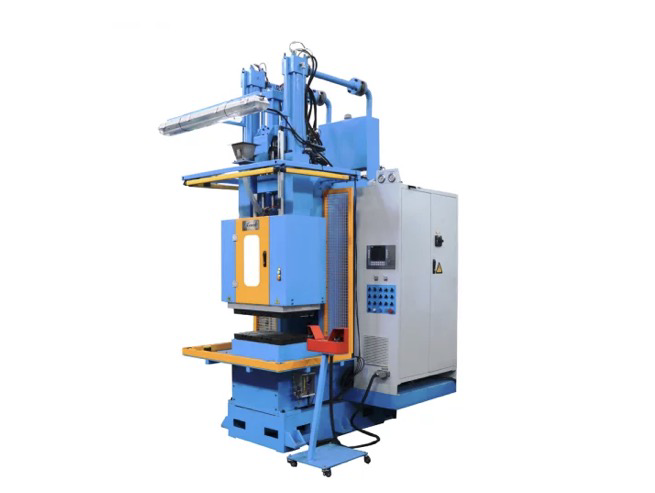
Industrial manufacturing environments constantly evaluate production line components to optimize operational workflows, reduce maintenance overhead, and enhance structural durability. Within elastomer processing facilities, selecting appropriate machinery is a critical decision that influences both product quality and long-term capital efficiency. Operations spanning automotive component fabrication, power utility equipment manufacturing, and heavy industrial goods often analyze how structural designs impact overall output consistency.
When facility managers examine machinery options, they look toward established industry participants like HWAYI, which brings extensive engineering expertise to the design and development of industrial rubber processing equipment. By examining how different frame configurations influence pressure distribution, structural deflection, and part tolerances, manufacturing plants can make informed procurement decisions that align closely with their operational goals.
The Engineering Significance of Structural Frame Integrity
The mechanical foundation of a processing system dictates its ability to withstand repetitive high-pressure cycles over extended operational lifespans. During elastomer vulcanization, hydraulic presses must exert substantial clamping force to ensure proper cross-linking and prevent material flash. When evaluating frame options, engineering teams typically compare traditional pillar designs against contemporary welded or multi-plate frame architectures.
Each structural framework offers distinct characteristics regarding rigidity, stress distribution, and spatial footprint. For instance, facilities producing thick-walled power utility components, such as high-voltage insulators, surge arresters, hollow bushings, and specialized T-type connection joints, require extreme frame stability to maintain uniform density throughout dense rubber sections. Any micro-deflection in the structural frame can lead to uneven pressure profiles, resulting in compromised dielectric properties or structural inconsistencies in the finished product.
Therefore, understanding the mechanical behavior of a rubber vulcanizing machine under maximum tonnage is essential for maintaining strict industrial standards.
Analyzing Pillar Versus Welded Frame Configurations
Traditional column or pillar frames have served as a standard fixture in many legacy production floors due to their straightforward design and accessibility. These systems utilize vertical columns to guide the moving platen, allowing operators straightforward access from multiple sides during mold loading and extraction.
However, under high‑tonnage conditions, pillar designs can experience slight elongation or angular deflection, which requires careful monitoring during precision runs. In contrast, modern frame designs incorporate advanced finite element analysis to optimize stress paths and minimize structural flexing. A well‑engineered rubber vulcanizing press, also known as a rubber vulcanizing machine, often features robust tie‑rod or monolithic plate constructions designed to distribute clamping forces evenly across the entire heating platen surface.
This enhanced rigidity is particularly advantageous for manufacturers producing precision automotive parts, including complex door seals, specialized dust covers, protective sealing strips, and intricate O‑rings. When structural deflection is minimized, dimensional tolerances remain stable across multi‑cavity molds, significantly reducing scrap rates and lowering overall production costs.
Evaluating Practical Considerations for B2B Procurement
When facility planners select heavy machinery, they look beyond raw tonnage to evaluate multiple practical operational factors. Safety compliance represents a foundational element, as contemporary shop floors demand adherence to rigorous international standards. Equipment holding recognized safety certifications, such as CE standards, provides assurance that the machinery incorporates vital protective measures, including advanced light curtains, safety interlocks, and ergonomic loading tables.
Furthermore, thermal management and energy efficiency heavily influence long-term operational expenses. Modern hydraulic and electrical subsystems are engineered to optimize power consumption during prolonged curing cycles, minimizing idle energy drain while maintaining precise temperature profiles. Plant engineers also consider the adaptability of the frame layout to existing upstream mixing equipment and downstream cooling lines.
Equipment providers that offer tailored engineering solutions can modify frame dimensions, daylight clearances, and heating plate specifications to fit unique factory floor layouts without requiring disruptive structural alterations.
Implementing Structural Upgrades and Supporting Infrastructure
Integrating a heavy-duty hydraulic press into an existing production workflow requires seamless coordination between the plant engineering team and the machinery manufacturer. A reliable hydraulic vulcanizing press must interface smoothly with existing material handling systems, hydraulic power units, and centralized control networks. Experienced equipment manufacturers provide comprehensive technical support that spans from initial layout planning to final on-site commissioning and operator training. This collaborative approach helps mitigate installation delays and ensures that supporting infrastructure operates at peak efficiency.
Additionally, dependable after-sales service plays a decisive role in maintaining high equipment uptime over decades of continuous operation. Access to prompt technical troubleshooting, readily available replacement parts, and scheduled maintenance guidance protects the initial capital investment. By leveraging proven manufacturing expertise and comprehensive technical support, industrial enterprises can successfully transition toward more robust and efficient production methodologies, strengthening their competitive edge in the global market.

