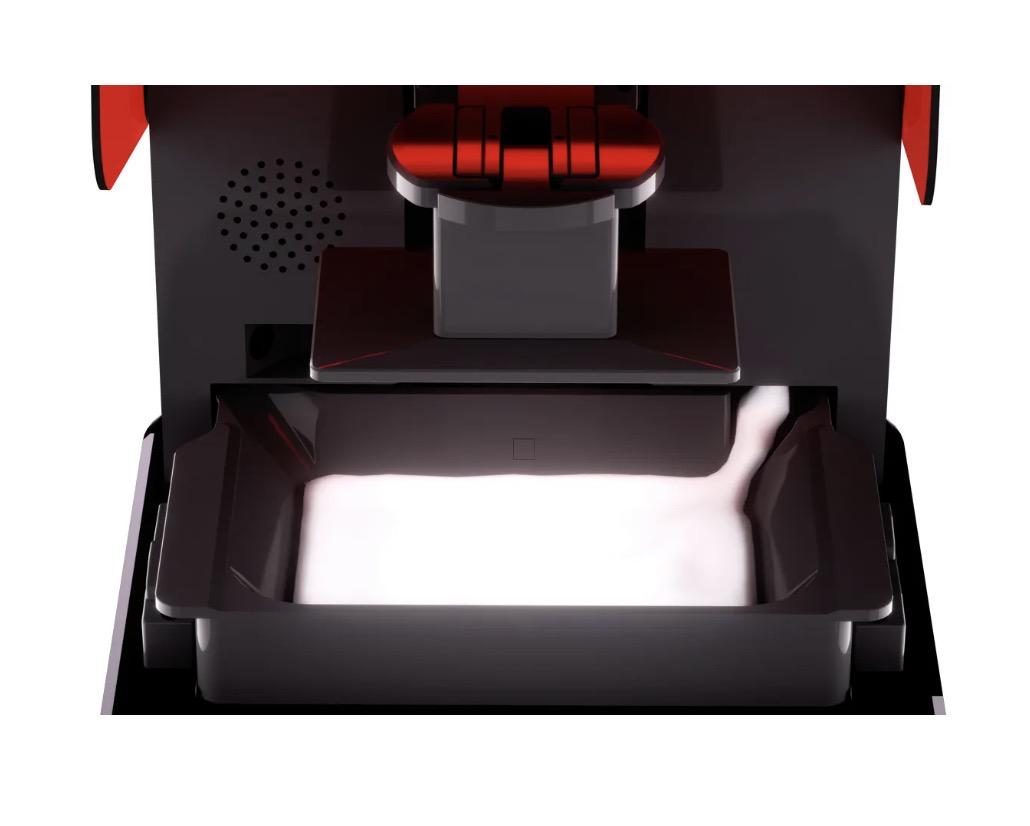
Digital dental manufacturing has fundamentally transformed how laboratories fabricate restorative models, surgical guides, aligners, and orthodontic appliances. Among various additive manufacturing technologies, digital light processing systems have gained widespread acceptance for their ability to deliver exceptional detail, smooth surface finishes, and rapid batch production cycles.
However, transitioning to advanced additive manufacturing is not without operational hurdles. Senior technicians and laboratory managers frequently encounter complex production challenges that disrupt daily workflows, affect material efficiency, and influence overall turnaround times for partner clinics.
A common question raised by procurement decision-makers and technical supervisors is: Why do print layers delaminate unexpectedly, and how can commercial laboratories maintain consistent dimensional accuracy across high-volume production batches?
Avoiding recurring production errors requires understanding the subtle interactions between photopolymer resins, optical alignment, environmental conditions, and equipment maintenance. Established industry pioneers such as Riton have spent nearly 30 years accumulating laser expertise and driving early dental metal 3D printing research and development.
Through their active involvement in shaping industry standards and building a comprehensive digital ecosystem encompassing equipment, software, and localized service, advanced manufacturing brands provide valuable technical insights that help laboratories optimize their production floors and minimize costly mistakes.
Maintaining Thermal Stability in a Modern DLP resin 3D printer
One of the most frequent mistakes in digital resin manufacturing involves underestimating the impact of ambient temperature and humidity on photopolymer behavior. Liquid resins used for dental models, temporary crowns, and surgical splints exhibit varying viscosity depending on room conditions. When ambient temperatures drop or fluctuate during seasonal shifts, resin flow resistance increases significantly, which can lead to incomplete layer adhesion, peeling, or total build failure.
To prevent these costly errors, facilities must look beyond basic hardware specifications and evaluate environmental control capabilities. Some DLP resin 3D printers include environmental control features to help manage printing conditions. The RXDent-D130 uses dual heaters and humidity monitoring to support a more controlled printing environment.
The unit supports customized heating up to 45°C within five minutes, which lowers resin viscosity before production. In addition, adjustable layer thickness ranging from 0.01 mm to 0.2 mm enables technical teams to balance fine aesthetic details and efficient production speeds, while maintaining structural integrity, optical precision, and fitting accuracy.
Preventing Material Errors During Continuous DLP 3D print Operations
Another persistent operational challenge on busy dental production floors is human error in consumable management and material monitoring during ongoing DLP 3D print workflows. When technicians manually check and replenish liquid resin between consecutive print jobs, inconsistencies can easily occur. Overlooking fluid levels during extended overnight runs often leads to incomplete builds, wasted material, and delayed delivery for dental practitioners.
Lab managers frequently ask: How can a facility minimize manual intervention without risking print interruptions or material overflow? The solution lies in intelligent resin management and automated monitoring systems built for continuous DLP 3D print production. Advanced production units integrate real-time resin level sensors and automatic resin refilling mechanisms. Instead of requiring operators to interrupt workflow for manual checks, the machine maintains optimal fluid levels autonomously.
Additionally, built-in safety features such as door-open sensors protect operators and preserve internal alignment during active manufacturing cycles. These features help laboratories monitor resin levels, reduce manual intervention, and manage production workflows more consistently.
Real-World Application Scenario in a Commercial Laboratory
To illustrate common environmental challenges in dental printing, consider a hypothetical mid-sized dental laboratory operating in an area with prominent seasonal temperature fluctuations. In cooler seasons, labs may observe higher failure rates for crown and bridge models, alongside occasional layer delamination defects. Even after extensive troubleshooting on exposure settings and build plate recalibration, such inconsistencies can still occur, as unstable ambient temperatures tend to alter resin viscosity and interfere with overall light curing performance.
By upgrading manufacturing workflows with advanced systems featuring automated thermal management and real-time resin refilling functions, dental laboratories can effectively mitigate environment-related printing challenges. The dual heating system helped regulate the printing environment before each job, supporting more consistent resin handling under changing ambient conditions. As a result, the laboratory reduced its material scrap rate, minimized manual monitoring requirements, and consistently delivered high-precision dental restorations to partner clinics ahead of schedule while maintaining competitive lead times.
Ensuring Long-Term Success Through Responsive Technical Support
Hardware depreciation, software updates, and material evolution are inevitable realities in modern manufacturing. Therefore, choosing a technology provider involves assessing the depth of their support infrastructure. Global agent-backed local service networks provide the regional responsiveness that busy commercial labs require. Whether technicians need specialized training on new photopolymer materials or rapid guidance on optical calibration and maintenance routines, responsive technical backing minimizes costly facility downtime.
Furthermore, field-proven stable performance and specialized dental technical support ensure that technical teams receive expert guidance whenever complex clinical cases arise.
Ultimately, achieving long-term success in digital dental manufacturing requires continuous attention to workflow discipline, equipment maintenance, and material science. By identifying common processing mistakes and adopting intelligent, feature-rich production hardware, laboratories can protect their profit margins and scale operations smoothly. Collaborating with knowledgeable partners who understand the nuances of dental additive manufacturing enables laboratories to navigate technological transitions with confidence, ensuring sustainable operational excellence and long-term business success.

