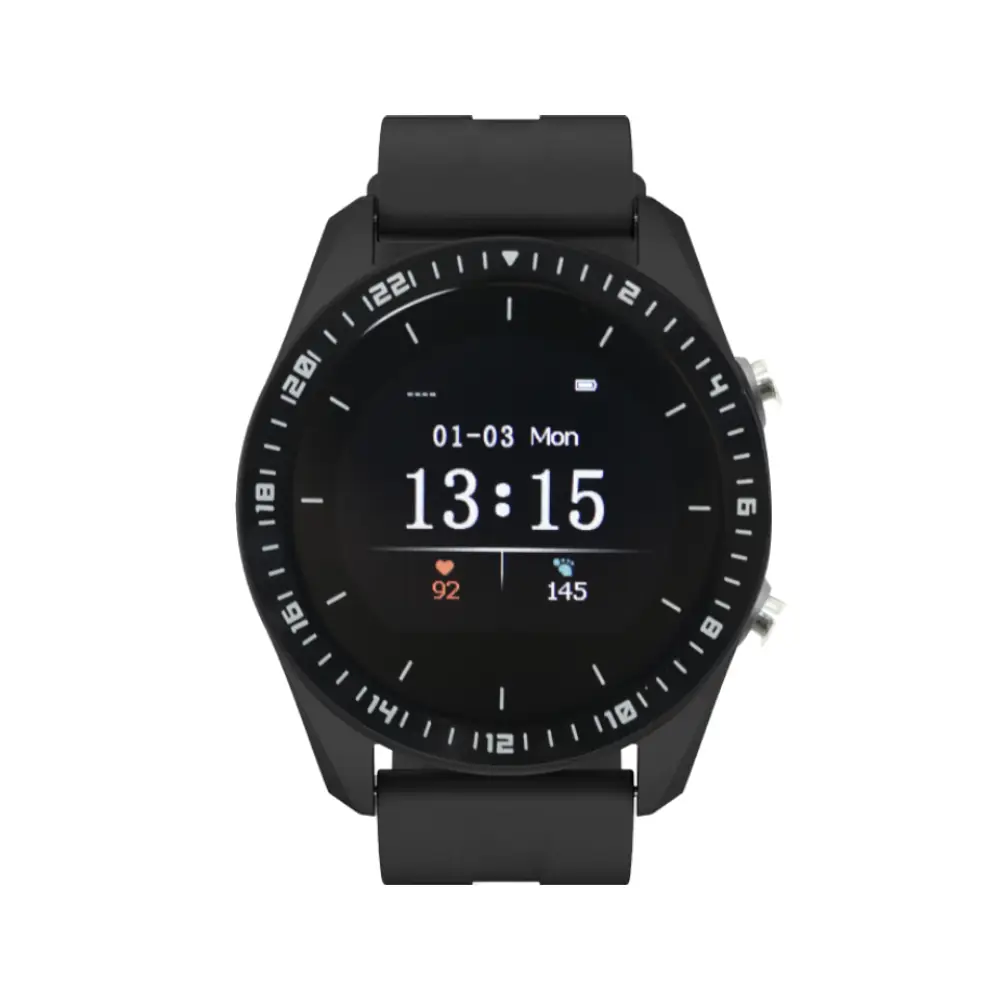
Connected wearable devices are becoming an important part of industrial IoT systems because businesses need more efficient ways to monitor personnel conditions, improve communication, and strengthen operational safety. At HKT LORA, the company develops LoRaWAN-based solutions that connect wearable devices with intelligent platforms, helping organizations manage personnel and assets in complex environments, helping organizations manage people and assets in complex environments. Their LoRaWAN Smart Watch is designed to support applications that require location awareness, emergency communication, and data transmission through low-power wireless networks.
Enhancing Personnel Connectivity Through LoRaWAN-Based Wearable Management
Workplace management often requires accurate information about personnel movement and status, especially in industrial environments, campuses, construction areas, and other large operational spaces. Traditional management methods may not provide continuous visibility, creating challenges when organizations need timely information.
Their lora watch integrates LoRaWAN communication technology with wearable design, allowing collected information to be transmitted through long-range wireless networks. This helps businesses build connected management systems where personnel data can be transferred efficiently without relying only on short-distance communication methods.
The device supports positioning functions through multiple technologies, including GPS, Beidou, WiFi, and BLE. This combination allows organizations to select suitable positioning methods based on different application environments and operational requirements.
Supporting Emergency Communication in Critical Situations
Safety management requires reliable communication methods that can support quick responses when unexpected situations occur. In many workplaces, employees may operate individually or in areas where direct communication is difficult.
HKT LORA designs their LoRaWAN Smart Watch with emergency functions such as SOS alerts, enabling users to send emergency notifications through connected systems. When integrated with management platforms, these functions can help organizations receive important alerts and improve response efficiency.
The emergency communication capability makes the device suitable for applications where personnel safety monitoring is an important operational requirement. Businesses can combine wearable devices with existing IoT management solutions to create more organized safety processes.
Enabling Location-Based Management for Business Applications
Location information plays an important role in many IoT applications. Organizations need to understand personnel distribution, movement patterns, and operational conditions to improve management efficiency.
Their lora watch provides positioning support through integrated location technologies, allowing businesses to develop location-based management solutions. These functions can be applied in areas such as industrial facilities, logistics environments, and large working spaces where personnel tracking is required.
The device is designed to work as part of a wider LoRaWAN ecosystem. By connecting wearable terminals with network infrastructure and management platforms, businesses can create systems that collect and process useful operational information.
Combining Low-Power Design with Long-Term Operation
Battery performance is an important consideration for wearable IoT devices because frequent charging can affect user experience and operational efficiency. For business applications, devices need to support stable operation while maintaining practical usage requirements.
HKT LORA focuses on low-power wireless communication solutions to improve the suitability of wearable devices for long-term deployment. The LoRaWAN Smart Watch uses LoRaWAN technology, which is known for efficient long-distance data communication with relatively low power consumption.
This design approach allows companies to consider wearable solutions for applications where devices need to remain connected during extended working periods. The balance between communication capability and power efficiency supports more flexible deployment strategies.
Enhancing IoT Management Through Multiple Connectivity Options
Modern IoT solutions often require flexible connectivity because different environments have different communication conditions. A single communication method may not always meet the requirements of diverse applications.
Their lora watch combines LoRaWAN connectivity with additional wireless technologies such as BLE and WiFi. These connectivity options provide businesses with more flexibility when designing IoT systems.
For example, BLE can support short-range communication scenarios, while LoRaWAN can provide wider coverage for data transmission. By combining different technologies, organizations can create more adaptable wearable management solutions according to their specific needs.
Supporting Health Data Collection and User Monitoring
Wearable devices are increasingly used for collecting user-related information because they provide a convenient way to gather data during daily activities. In business environments, health-related monitoring functions can support applications that require additional information about personnel conditions.
HKT LORA’s Smart Watch supports health monitoring functions, including the collection of relevant user data through wearable sensors. These functions allow businesses and solution providers to explore applications where connected wearable devices are integrated with IoT platforms.
Rather than operating as an independent product, the smart watch is designed as part of an interconnected system. Data collection, wireless transmission, and platform management work together to support practical IoT applications.
Creating Flexible Solutions for Different Industry Requirements
Different industries have different requirements for wearable devices. A solution used in manufacturing may focus on safety management, while a solution used in logistics may require location-based services and communication functions.
At HKT LORA, they provide IoT hardware solutions that can be adapted for different business scenarios. Their LoRaWAN Smart Watch supports customization possibilities, allowing partners to develop solutions according to specific application needs.
Through their experience in LoRaWAN technology, they help businesses integrate wearable devices into larger IoT systems. This approach enables organizations to improve connectivity while maintaining flexibility during project development.
Building Reliable IoT Applications with HKT LORA Smart Watch Solutions
The development of connected wearable technology provides businesses with new methods to improve personnel management, emergency response, and operational visibility. A suitable wearable solution requires reliable communication, practical functions, and compatibility with broader IoT systems.
HKT LORA focuses on providing LoRaWAN-based products that support real-world business applications. Their LoRaWAN Smart Watch combines wireless communication, positioning capabilities, emergency functions, and health-related monitoring features to help organizations build connected solutions.
As an experienced LoRaWAN solution provider, HKT LORA continues to develop IoT products that support different industries and application requirements. Through flexible technology design and professional cooperation, they help global partners create practical wearable IoT systems that connect people, devices, and data more efficiently.

