Contemporary prophylactic medicine depends heavily on sophisticated molecular engineering and stringent quality control protocols to protect global health. Translating experimental antigens from exploratory research environments into viable human interventions requires rigorous adherence to international biopharmaceutical standards.
Modern developers working with advanced biological modalities must master microbial expression platforms, genetic vaccines, and particulate structures. Organizations such as Yaohai Bio-Pharma provide comprehensive CRDMO solutions that illustrate how integrated microbial systems support sophisticated workflows central to GMP vaccine manufacturing.
Exploring Microbial Expression Systems And Host Selection
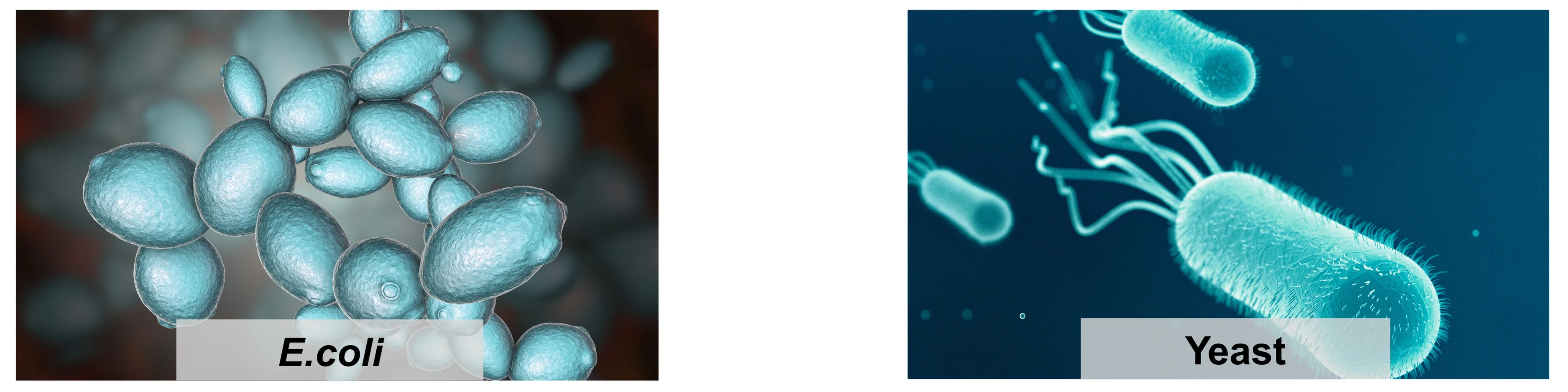
Microbial fermentation platforms serve as the foundational backbone for generating high-yield protein and nucleic acid precursors required in modern prophylactic formulations. Escherichia coli and yeast systems offer exceptional genetic tractability, rapid growth kinetics, and cost-effective scalability relative to conventional mammalian cell cultures. Selecting an appropriate host platform depends heavily on target antigen characteristics, folding geometry requirements, and downstream purification specifications.
Platform versatility enables the production of diverse biological products, including recombinant subunit proteins and custom peptide therapeutics designed for specific disease targets. Tailored microbial fermentation protocols optimize cellular productivity while minimizing metabolic burden during high-density cultivation cycles. Specialized microbial expression systems based on E. coli and yeast, such as those utilized by Yaohai Bio-Pharma, effectively address diverse biological requirements across vaccine development programs.
Developing Genetic Vaccines And Nucleic Acid Platforms
Genetic immunization strategies have reshaped the landscape of preventive healthcare by instructing host cells to synthesize specific protective antigens in vivo. Messenger RNA and circular plasmid constructs represent the primary pillars of this technological evolution, requiring precise transcriptional control and sequence stability. Manufacturing these nucleic acid templates demands robust fermentation protocols that prevent structural relaxation or concatemer formation during cultivation runs.
Plasmid DNA functions as a critical raw material for constructing viral delivery vectors or acting directly as a DNA vaccine component. Advanced microbial processing frameworks facilitate the continuous generation of high-purity supercoiled isoforms essential for optimal transfection efficiency. Navigating the unique biophysical properties of genetic constructs requires specialized analytical testing to verify template integrity and minimize host genomic contamination. For GMP vaccine manufacturing, these production processes also require validated process controls, batch-to-batch consistency, and comprehensive quality testing to ensure regulatory compliance.
Engineering Subunit And Peptide-Based Prophylactic Agents
Protein and peptide-based immunogens rely on specific fragments or engineered sequences derived from pathogenic organisms to stimulate targeted adaptive immune responses safely. Subunit formulations avoid the risks associated with whole-pathogen inactivation by presenting defined antigenic determinants to the immune system. Designing these synthetic molecules requires precise epitope mapping to preserve structural recognition by host antibodies.
Therapeutic peptide vaccines targeting complex pathologies, such as selected oncology indications, demand meticulous amino acid sequencing and high purity benchmarks. Microbial expression hosts synthesize these targeted protein fragments efficiently when paired with robust refolding and purification technologies. Maintaining structural fidelity throughout production prevents premature aggregation and ensures consistent immunogenicity across every manufactured lot. Under GMP manufacturing, recombinant protein production also requires validated purification processes, process consistency, and comprehensive quality testing before clinical use.
Constructing Virus-Like Particles For Enhanced Immunogenicity
Virus-like particles mimic the native spatial geometry and outer capsid architecture of infectious agents without containing any replicating genetic material. This structural configuration presents dense arrays of epitopes that provoke robust humoral and cellular immune responses without causing infection. Constructing these macromolecular assemblies requires sophisticated yeast or bacterial expression hosts capable of multi-subunit folding.
Overcoming manufacturing bottlenecks for complex particulate structures involves scaling fermentation parameters precisely to support correct self-assembly. Downstream recovery workflows must protect fragile capsid geometries from mechanical or chemical shear during chromatographic separation. Integrating specialized bioprocessing strategies allows developers to transition intricate particulate candidates smoothly from pilot scales into clinical evaluation suites. GMP manufacturing also requires validated assembly, purification, and analytical characterization to ensure consistent particle quality across production batches.
Upstream Process Development – Building Scalable Fermentation Platforms
Successful upstream process development for GMP vaccine manufacturing requires systematic optimization of fermentation parameters that directly influence antigen yield and quality. Critical variables including dissolved oxygen tension, pH control, nutrient feeding strategies, and temperature profiles must be characterized across the intended production scale to establish robust operating ranges. Design-of-experiment studies enable development teams to understand how these parameters interact and to define a design space where consistent product quality is assured.
For microbial-based vaccine production, the transition from shake flasks to stirred-tank bioreactors introduces complex mass transfer and mixing dynamics that must be carefully managed. Engineering controls such as impeller design, aeration rates, and cascade control strategies maintain uniform environmental conditions throughout the cultivation. Validated scale-up models, supported by comparative data across multiple scales, demonstrate that the process performs reliably at clinical and commercial volumes, ensuring that vaccine lots meet quality specifications consistently.
Downstream Purification – Protecting Antigen Integrity and Purity
Downstream purification in vaccine manufacturing serves the dual purpose of isolating the target antigen while eliminating host cell impurities, endotoxins, and product-related variants that could compromise safety or immunogenicity. Chromatographic techniques—including affinity capture, ion-exchange, and size-exclusion methods—are selected and sequenced based on the physicochemical properties of each antigen. Buffer composition, flow rates, and column loading must be optimized to maintain structural integrity while maximizing recovery yields.
Filtration-based unit operations, including depth filtration, tangential flow filtration, and sterile filtration, play equally critical roles in harvest clarification, concentration, and bioburden reduction. The purification train must be designed with process characterization data that demonstrate clearance of process-related impurities and reduction of viral contaminants. In-process controls at each step verify that purity, concentration, and product quality remain within established acceptance ranges, providing assurance that the final formulated vaccine meets clinical and regulatory requirements.
Navigating Regulatory Compliance And Quality Assurance
Regulatory harmonization remains a fundamental hurdle for biopharmaceutical developers seeking international market authorization for prophylactic medicines. Facilities producing biologic active pharmaceutical ingredients (APIs) must operate under current Good Manufacturing Practice(cGMP) standards enforced by major global health authorities. Regular quality audits and rigorous documentation practices verify that every manufacturing phase adheres to established international compendia.
Transparent record-keeping systems offer complete traceability from raw material intake to final product release. Standardized quality management systems encompass comprehensive equipment qualification, personnel training, and environmental monitoring protocols. Independent quality assurance teams oversee deviation investigations and implement corrective action plans proactively. Through its comprehensive quality frameworks and regulatory track record, Yaohai Bio-Pharma supports vaccine developers in navigating these compliance requirements, ensuring that structured quality systems safeguard patient safety while facilitating smooth cross-border commercialization pathways.
Conclusion
Sustained, reproducible biotherapeutic production hinges on the seamless combination of well-established upstream fermentation systems and stringent downstream purification workflows. Embracing open technical communication, thorough analytical characterization and flexible manufacturing infrastructure enables drug developers to adeptly tackle intricate regulatory challenges. Strategic collaboration with microbial-focused contract development specialists accelerates clinical translation, delivering impactful biological innovations to global healthcare markets with reinforced operational certainty.
Strategic collaboration with microbial-focused contract development specialists accelerates clinical translation, delivering impactful vaccine innovations to global healthcare markets with reinforced operational certainty. Yaohai Bio-Pharma provides integrated CRDMO platforms and regulatory expertise to support vaccine programs from early development through commercial manufacturing with consistent quality and regulatory compliance.

